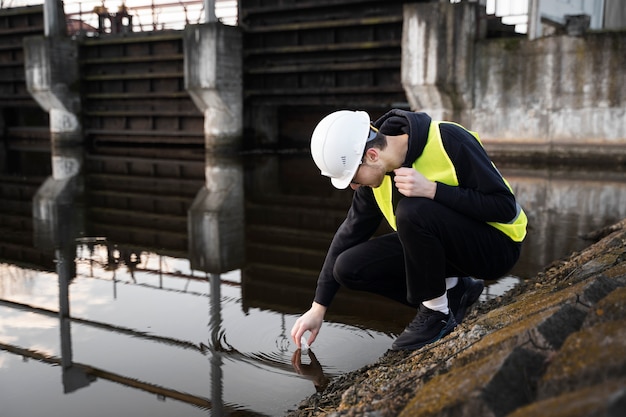
Sewer line blockages can lead to severe inconveniences and potential health hazards. Recognizing these issues early and addressing them with professional solutions is crucial. Sewer blockages can result from various factors, including tree roots, grease buildup, or foreign objects lodged in the pipes. Understanding these causes and how to manage them professionally not only saves time but also money in the long run.
Common Causes of Sewer Line Blockages
Several factors can contribute to sewer line obstructions. Being aware of these can help in early detection and prevention:
- Tree Roots: Roots from trees and large shrubs can invade sewer lines, especially if the lines have cracks or leaks.
- Grease Buildup: Oil and fats poured down the drain can solidify and build up over time, leading to blockages.
- Foreign Objects: Items like sanitary products, diapers, or wipes flushed down the toilet can cause severe blockages.
To discover expert strategies here for dealing with these common issues.
Professional Solutions for Blockages
Use of Advanced Equipment
Professional plumbers utilize a range of advanced tools and technologies to clear blockages effectively:
- Hydro Jetting: This method uses high-pressure water jets to clear out blockages and clean the sewer lines thoroughly.
- CCTV Drain Surveys: Camera inspections help in accurately identifying blockages and assessing the condition of the sewer lines.
- Pipe Relining: A trenchless technology that allows repairing damaged pipes without extensive digging, maintaining the integrity of the sewer system.
Learn about our tailored solutions and how they can effectively address sewer line blockages.
Preventive Measures
Prevention is often the best solution. Implementing the following measures can help keep sewer lines clear and functional:
- Regular Maintenance: Scheduling routine inspections and cleanings can preemptively address potential issues before they escalate.
- Mindful Disposal: Avoid pouring grease down the drain and be cautious of what is flushed to prevent blockages.
- Root Barriers: Install barriers to deter tree roots from growing near sewer lines.
Explore advanced guides and tips for maintaining a blockage-free sewer system.
Signs of a Blocked Sewer Line
Identifying the signs of a blocked sewer line early can prevent severe damage and costly repairs. Look out for:
- Slow Draining Water: If sinks or bathtubs are draining slower than usual, it could indicate a blockage.
- Unpleasant Odors: Persistent foul smells from drains often signify sewer line issues.
- Gurgling Sounds: Noises coming from toilets or drains can point to trapped air in the pipes due to blockages.
- Multiple Clogged Fixtures: If more than one plumbing fixture is clogged simultaneously, it might be a sewer line problem.
Find out more about this approach to manage and diagnose sewer line issues effectively.
Conclusion
Effectively managing sewer line blockages requires a combination of professional expertise and preventive care. Understanding the causes, implementing preventive measures, and knowing the signs of a blockage can drastically reduce the risk of serious plumbing issues. For those facing persistent problems, seeking professional assistance can ensure the problem is resolved quickly and efficiently. Regular maintenance and adopting preventive practices are key to maintaining a healthy and functional sewer system. For more detailed solutions and professional advice, consider exploring online resources that offer comprehensive insights and guidance.
