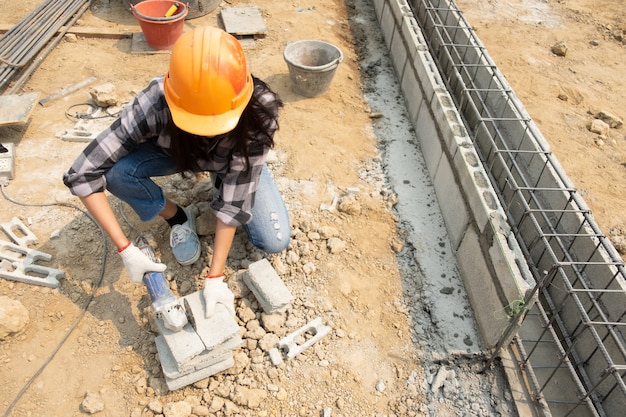
Foundation underpinning is a critical process in ensuring the structural stability and longevity of a building. As structures age or face environmental challenges, the need for a reliable underpinning becomes essential to maintain safety and integrity. Various methods are employed to enhance the foundation’s strength, each tailored to specific conditions and requirements. It is vital to understand these underpinning techniques to make informed decisions about structural support solutions.
Understanding Foundation Underpinning
Foundation underpinning involves the process of strengthening and stabilizing the existing foundation of a structure. This may be necessary due to various factors such as:
- Soil subsidence or erosion leading to foundation movement.
- Increased load from additional floors or extensions.
- Poor initial construction or design.
- Natural disasters causing damage to the foundation.
With a variety of underpinning methods available, choosing the right one depends on the specific challenges faced by the structure. Discover expert strategies here to address these challenges effectively.
Popular Underpinning Techniques
Mass Concrete Underpinning
Mass concrete underpinning is one of the oldest and most traditional methods used. This technique involves excavating sections below the existing foundation and pouring concrete to extend the foundation to a greater depth.
- Ideal for shallow foundations.
- Cost-effective and straightforward.
- Does not require heavy machinery.
Despite its simplicity, mass concrete underpinning can be labor-intensive and time-consuming. Learn about our tailored solutions that can help streamline the process.
Beam and Base Underpinning
The beam and base underpinning method involves constructing reinforced concrete beams to transfer the load of the building to concrete bases placed at a greater depth.
- Suitable for structures with heavy loads.
- Allows for greater control over load distribution.
- Provides enhanced structural support.
This method is highly effective for buildings that require significant load-bearing capacity. Explore advanced guides and tips to utilize this technique efficiently.
Mini-Piled Underpinning
Mini-piled underpinning is used when access is restricted or when traditional underpinning is not viable. This method involves the installation of small diameter piles to support the structure.
- Suitable for deep foundations or poor soil conditions.
- Minimal disruption to the existing structure.
- Quick installation process.
This approach is particularly beneficial in urban areas with limited space. Find out more about this approach and its applications.
Conclusion
Effective foundation underpinning is crucial to maintaining the stability and safety of a building. Each method has its advantages and is suited for different scenarios. Understanding the specific needs of a structure and the underlying soil conditions is key to selecting the appropriate underpinning method. By considering these factors, a reliable and enduring solution can be implemented, ensuring the longevity of the structure. For more information on underpinning methods and to choose the right strategy, explore advanced guides and tips available from industry experts.
