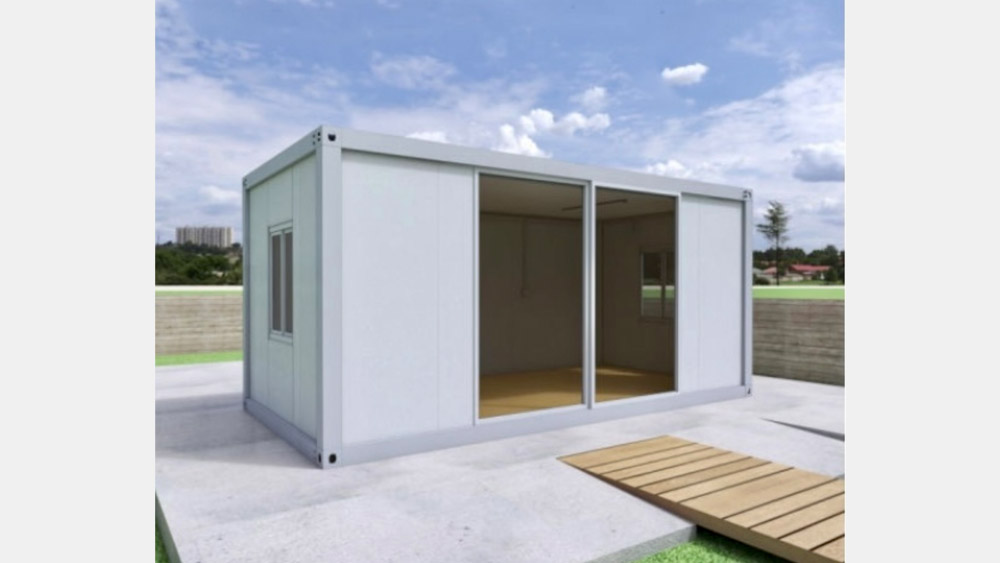
Tiny homes have been capturing the imagination of people worldwide, offering a minimalist lifestyle without compromising on modern amenities. As urbanization and housing costs rise, the concept of downsizing to more compact, efficient living spaces has become increasingly appealing. This trend of affordable tiny homes is gaining momentum as more individuals and families seek to reduce their carbon footprint and embrace a more sustainable way of living.
Understanding the Appeal of Tiny Homes
The allure of tiny homes can be attributed to several factors. These compact dwellings offer a unique blend of functionality and style, tailored to the needs of the modern homeowner. Here?s why tiny homes are becoming an attractive option for many:
- Cost-Effectiveness: Tiny homes are often significantly more affordable than traditional housing, making them an ideal choice for first-time buyers, retirees, and those looking to downsize.
- Sustainability: With a smaller footprint, tiny homes require fewer resources to build and maintain, promoting an eco-friendly lifestyle.
- Flexibility: Many tiny homes are built on wheels, offering homeowners the freedom to move their residence easily.
- Customization: Tiny homes can be tailored to fit personal styles and needs, often incorporating innovative space-saving solutions.
Designing a Tiny Home: Key Considerations
Designing a tiny home requires careful planning and creative thinking to maximize space without sacrificing comfort. Here are some essential design elements to keep in mind:
Space Optimization
Efficient use of space is critical in tiny homes. Innovative solutions such as multifunctional furniture, lofted sleeping areas, and built-in storage can greatly enhance livability.
Natural Light and Ventilation
Strategically placed windows and skylights can flood the interior with natural light, making the space feel larger and more inviting. Proper ventilation also ensures a healthy living environment.
Energy Efficiency
Incorporating energy-efficient appliances and sustainable materials can reduce utility costs and environmental impact, aligning with the eco-friendly ethos of tiny home living.
Challenges and Considerations
While tiny homes offer numerous benefits, prospective owners should be aware of potential challenges:
- Zoning Regulations: Local zoning laws can impact where a tiny home can be placed. It’s essential to research regulations in your area before purchasing land.
- Limited Space: Living in a smaller area requires a willingness to declutter and prioritize possessions, which can be challenging for some individuals.
- Resale Value: Due to their niche market, tiny homes may have different resale dynamics compared to conventional houses.
The Future of Tiny Homes
As housing demands evolve, tiny homes are expected to play a significant role in the future of residential living. They offer a viable solution to urban housing shortages and provide an innovative approach to sustainable living.
As the trend continues to grow, more companies are emerging to meet the demand for these cost-effective living solutions. With an increasing focus on affordable tiny homes, the market is set to expand, providing diverse options for those looking to embrace this lifestyle.
Tiny homes represent a shift in how we perceive living spaces and sustainability. They offer a glimpse into a future where living simply and efficiently becomes a norm. For those considering this lifestyle change, tiny homes provide an exciting opportunity to redefine what it means to live comfortably and affordably.
