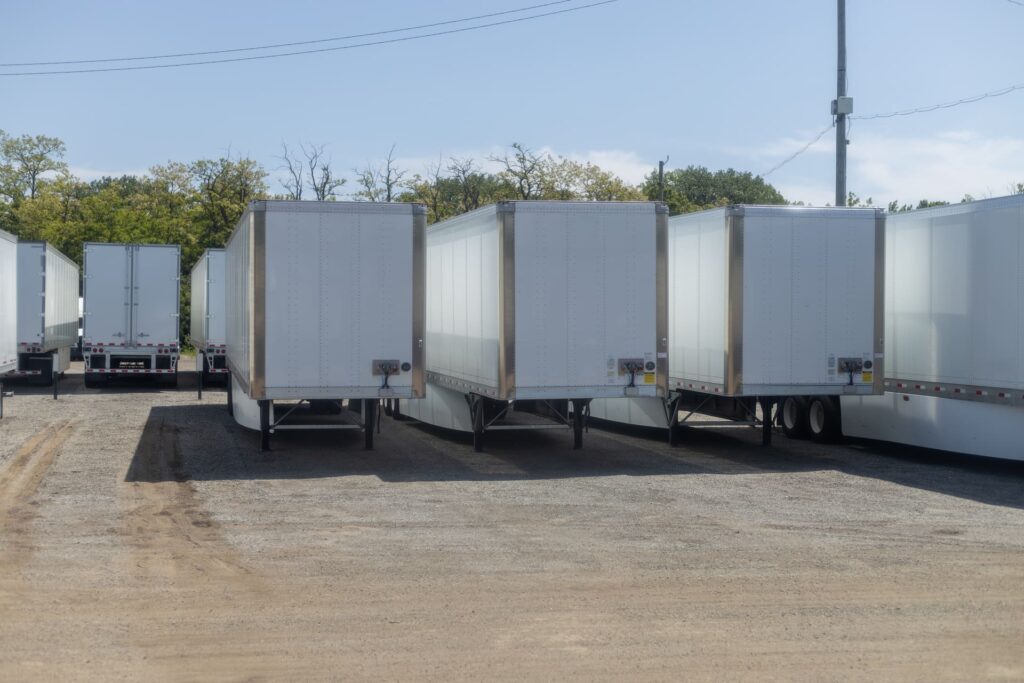
In today’s fast-paced logistics and distribution sectors, efficiency is not just an advantage but a necessity. Atlanta, being a significant logistics hub in the United States, faces unique challenges in managing its yard operations. Ensuring that goods move smoothly from the warehouse to their final destination requires a strategic approach to yard management. This involves optimizing the flow of trucks and trailers as they arrive, depart, and dwell in the yard. Yard management solutions in Atlanta have become integral in addressing these challenges, providing businesses with the tools they need to maximize efficiency and productivity.
Understanding Yard Management Solutions
Yard management solutions encompass a range of strategies and technologies designed to improve the efficiency of yard operations. These solutions facilitate better visibility, faster processing times, and enhanced communication among yard personnel. By implementing advanced software and automation tools, businesses can achieve:
- Reduced wait times for trucks and trailers.
- Improved scheduling and coordination of vehicle movements.
- Enhanced safety and compliance with regulatory requirements.
- Minimized manual errors through automated processes.
Key Components of Effective Yard Management
An effective yard management system typically includes several key components that work together to streamline operations. These include:
- Real-Time Tracking: Utilizing GPS and RFID technology to monitor the location and movement of assets within the yard.
- Automated Check-In/Check-Out: Streamlining the entry and exit processes to reduce delays and enhance throughput.
- Dock Management: Coordinating the loading and unloading processes to maximize dock utilization and minimize idle time.
- Data Analytics: Leveraging data to gain insights into operational performance and identify areas for improvement.
For businesses seeking to enhance their yard management, it’s crucial to discover expert strategies here that are tailored to meet specific operational needs.
The Impact of Yard Management Solutions in Atlanta
Atlanta’s logistics landscape is characterized by its high volume of freight traffic and strategic positioning as a hub for regional and national distribution. The implementation of yard management solutions has had a significant impact on the efficiency and competitiveness of businesses operating in this area.
By adopting these solutions, companies have been able to:
- Enhance operational visibility, allowing for proactive decision-making and improved resource allocation.
- Reduce costs associated with delays, demurrage, and detention fees.
- Improve overall service levels, leading to increased customer satisfaction and loyalty.
Businesses in Atlanta can learn about our tailored solutions to effectively address the unique challenges they face in this dynamic market.
Implementing Yard Management Solutions
The successful implementation of yard management solutions requires a strategic approach that considers both technological and operational factors. Key steps in the implementation process include:
- Assessment: Conducting a thorough analysis of current yard operations to identify inefficiencies and areas for improvement.
- Customization: Developing a solution that is tailored to the specific needs and constraints of the business.
- Integration: Ensuring seamless integration with existing systems and processes to avoid disruptions.
- Training: Providing comprehensive training to yard personnel to maximize the effectiveness of the new system.
For businesses looking to implement these solutions, it’s beneficial to explore advanced guides and tips that can aid in the transition and maximize the return on investment.
Conclusion
Yard management solutions are essential for optimizing logistics operations in Atlanta’s bustling transportation ecosystem. By leveraging cutting-edge technologies and proven strategies, businesses can significantly enhance their operational efficiency, reduce costs, and improve service delivery. To stay competitive and meet the demands of modern logistics, companies should find out more about this approach and explore how these solutions can be customized to meet their unique operational needs.
