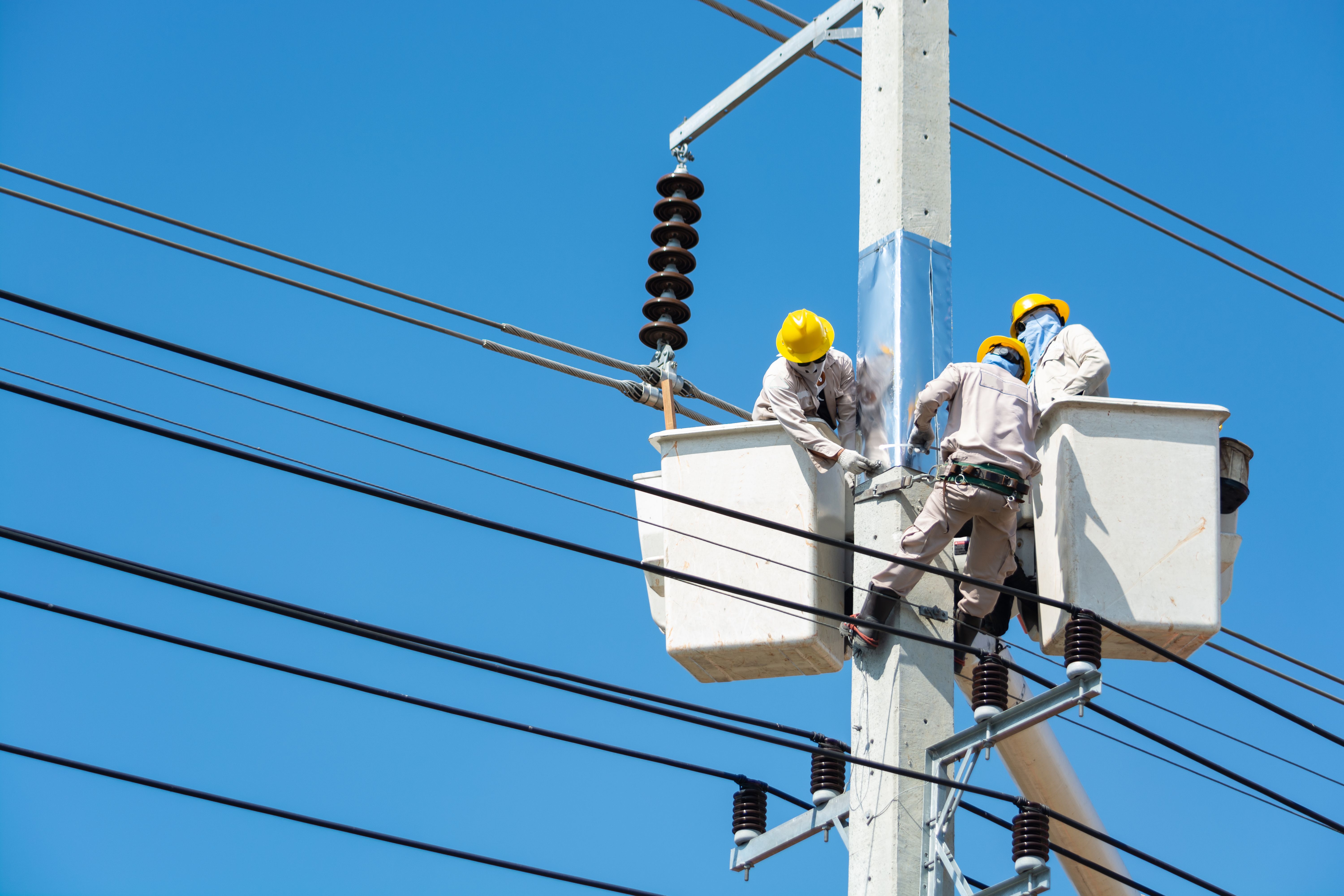
Electrical installations in industrial and medical settings play a crucial role in ensuring the safety, efficiency, and reliability of operations. These environments require specialized electrical systems to support complex machinery and sensitive equipment. As technology advances, the demand for precise and robust electrical installations continues to grow. Understanding the distinct requirements and challenges of these settings is essential for anyone involved in the planning, design, and maintenance of such systems.
Key Differences in Electrical Installations
Industrial Electrical Installations
Industrial electrical installations are essential for the operation of manufacturing plants, factories, and other industrial facilities. These systems are designed to handle high voltage and heavy-duty machinery. Key considerations include:
- Load Capacity: Industrial systems must support large electrical loads safely and efficiently.
- Durability: Installations must withstand harsh environments, including temperature fluctuations and exposure to chemicals.
- Compliance: Adherence to industry standards and regulations is paramount to ensure safety and functionality.
Learn more in this detailed guide on industrial installations at this link.
Medical Electrical Installations
In contrast, medical electrical installations focus on supporting the healthcare environment, where precision and reliability are critical. Some aspects to consider include:
- Safety: Patient safety is a top priority, necessitating specialized equipment and backup systems to prevent failures.
- Precision: Medical installations require precise control and monitoring to support sensitive medical devices.
- Redundancy: Systems must have redundancy features to ensure continuous operation during power outages.
Find additional information here about medical installations on this page.
Challenges in Implementing Electrical Installations
Both industrial and medical electrical installations come with their unique set of challenges. Here are some shared obstacles:
- Complexity: Designing and implementing these systems requires a high level of expertise and attention to detail.
- Regulatory Compliance: Compliance with local and international standards is non-negotiable and often challenging.
- Maintenance: Regular maintenance is essential to prevent downtimes and prolong the lifespan of the systems.
Explore further insights here for a deeper understanding of the challenges involved in electrical installations: Read more about this topic.
Ensuring Efficient Installations
To ensure efficient and effective installations, consider the following recommendations:
- Engage Experts: Hire professionals with experience in industrial or medical installations for high-quality outcomes.
- Regular Audits: Conduct periodic audits and assessments to ensure compliance and operational efficiency.
- Continual Training: Train staff regularly to keep them updated with the latest technologies and best practices.
For more comprehensive guidance, explore this resource.
Conclusion
Industrial and medical electrical installations are vital components that require careful planning and execution. By understanding the distinct needs and challenges of these settings, stakeholders can ensure safe and efficient operations. Continuous learning and adaptation to technological advancements will further enhance these installations, supporting the critical functions they are designed to uphold.
