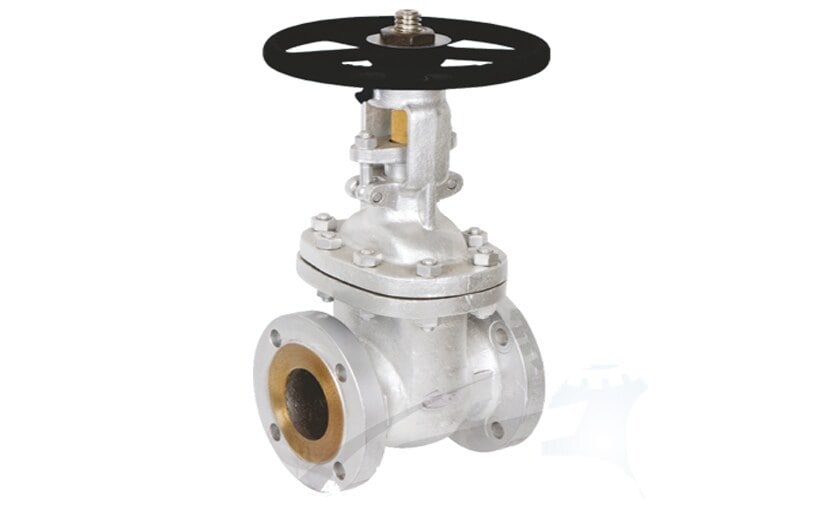
In the realm of fluid control systems, choosing the right type of valve is essential for ensuring optimal performance and longevity. Among the various options available, the stainless steel gate valve stands out due to its robustness, versatility, and efficiency. This article explores the multiple benefits of using a stainless steel gate valve, making it a preferred choice across various industries.
Durability and Longevity
Stainless steel is renowned for its durability and resistance to corrosion. This makes it an excellent material for gate valves that are exposed to harsh environments, including exposure to chemicals, extreme temperatures, and high pressure. The inherent properties of stainless steel ensure that the valve maintains its structural integrity over time, reducing the need for frequent replacements.
Corrosion Resistance
One of the primary advantages of a stainless steel gate valve is its ability to resist corrosion. In industries such as chemical processing, pharmaceuticals, and oil and gas, where exposure to corrosive substances is common, a stainless steel gate valve offers reliable performance without the risk of degradation. This resistance extends the valve’s life span and ensures consistent operation.
Versatility
Stainless steel gate valves are versatile and can be utilized in a wide range of applications. Their ability to handle different types of fluids, including gases, liquids, and semi-solids, makes them suitable for diverse sectors:
- Oil and Gas: Used for controlling the flow of crude oil and natural gas.
- Water Treatment: Essential for water supply systems and wastewater management.
- Chemical Industry: Ideal for handling aggressive chemicals and solvents.
- Power Generation: Used in steam and coolant systems.
Efficient Flow Control
A stainless steel gate valve provides precise flow control, which is crucial in maintaining system efficiency. Unlike other valve types, a gate valve offers minimal pressure drop when fully open, allowing for unrestricted flow and reducing energy consumption in the system. This efficiency is particularly beneficial in large-scale industrial applications where energy savings translate into significant cost reductions.
Sealing Capability
The design of a stainless steel gate valve ensures excellent sealing capabilities, minimizing the risk of leaks. This feature is particularly important in applications where preventing contamination is crucial. The ability to maintain a tight seal enhances the safety and reliability of the system, protecting both the environment and the equipment.
Ease of Maintenance
Stainless steel gate valves are known for their low maintenance requirements. The robust construction and corrosion-resistant properties mean that these valves require less frequent maintenance checks and repairs. When maintenance is necessary, the straightforward design of the valve allows for easy access and servicing, reducing downtime and associated costs.
Conclusion
The benefits of a stainless steel gate valve are numerous, making it an indispensable component in various industrial applications. Its durability, corrosion resistance, versatility, and efficiency in flow control make it a reliable choice for ensuring smooth and uninterrupted operations. For industries looking to enhance their fluid control systems, investing in stainless steel gate valves is a decision that promises long-term rewards.
