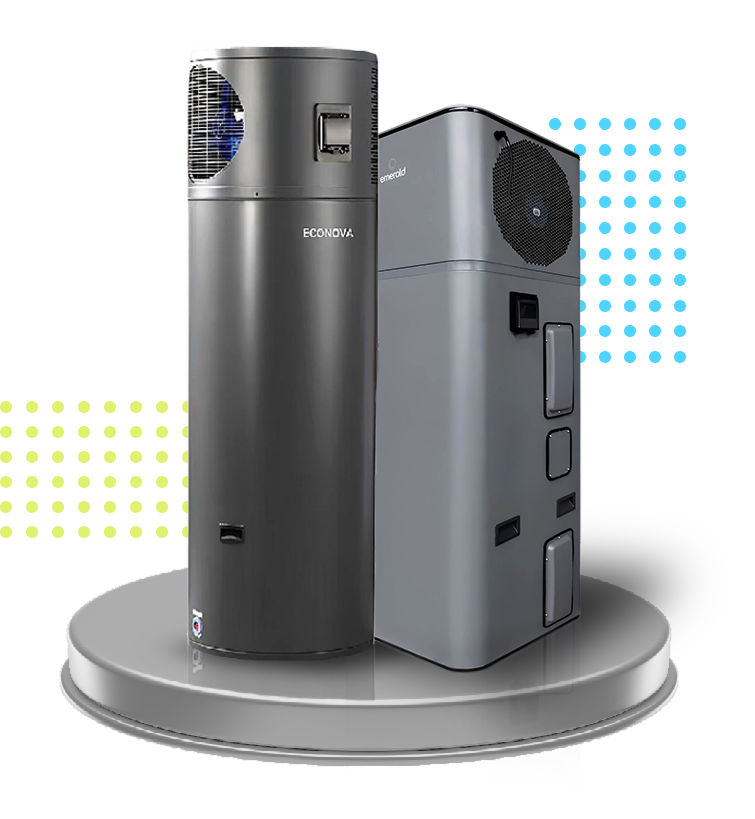
In recent years, the push for sustainable energy solutions has gained significant traction across Australia, and Victoria is no exception. Solar hot water systems, in particular, have emerged as a popular choice among homeowners looking to reduce their carbon footprint and energy bills. With the abundant sunlight in Victoria, these systems offer an efficient way to harness natural energy, providing numerous benefits for both the environment and household economies.
Environmental Benefits of Solar Hot Water Systems
Solar hot water systems play a pivotal role in reducing greenhouse gas emissions. By utilizing solar energy, these systems significantly decrease the dependency on fossil fuels. Here are some key environmental advantages:
- Reduction in Carbon Footprint: Solar hot water systems lower household carbon emissions, contributing to a cleaner environment.
- Conservation of Resources: They reduce the need for conventional energy sources, preserving natural resources for future generations.
- Promotion of Renewable Energy Use: Choosing solar over traditional systems supports the growth and development of renewable energy technologies.
For those interested in contributing positively to the environment, discover expert strategies here to integrate solar solutions into your home.
Economic Advantages
Switching to solar hot water systems is not only beneficial for the planet but also offers substantial economic incentives. Homeowners can enjoy reduced energy bills and other financial benefits, such as:
- Lower Energy Bills: By relying on sunlight for heating water, households can significantly cut down on electricity or gas expenses.
- Government Incentives: Various government programs are available that offer rebates and incentives for installing solar systems, making it a cost-effective solution.
- Increased Property Value: Homes equipped with solar hot water systems often see a rise in property value due to their energy efficiency and sustainability.
For more information on economic benefits and government rebates, learn about our tailored solutions available for Victorian residents.
Technological Advancements and Efficiency
Innovative Features
The latest solar hot water systems come equipped with cutting-edge technology to enhance performance and efficiency, ensuring optimal use of solar energy. Key technological advancements include:
- Improved Solar Collectors: Modern systems use highly efficient solar collectors that maximize heat absorption.
- Smart Control Systems: Advanced controls allow for better management of water temperature and energy use, adapting to varying weather conditions.
- Durable Materials: Newer systems are built with robust materials, ensuring longevity and minimal maintenance.
For a deeper understanding of these technologies, explore advanced guides and tips on implementing solar hot water systems in Victoria.
Choosing the Right System for Your Home
Selecting the appropriate solar hot water system involves considering several factors, including household size, budget, and specific energy needs. Here are some tips to consider when making a decision:
- Assess Household Requirements: Evaluate the hot water needs based on the number of occupants and daily usage patterns.
- Explore Different Types: Consider the variety of systems available, such as flat plate collectors or evacuated tube collectors, each with unique benefits.
- Consult Professionals: Engaging with experts can provide personalized advice tailored to individual circumstances and location.
To make an informed choice, find out more about this approach and ensure a seamless transition to solar energy.
In conclusion, solar hot water systems offer a sustainable and economically viable solution for households in Victoria. By embracing this technology, residents can enjoy significant savings, reduce their environmental impact, and contribute to a greener future. The integration of solar hot water systems is a step forward in achieving a sustainable lifestyle, aligning with global efforts to promote renewable energy use.
